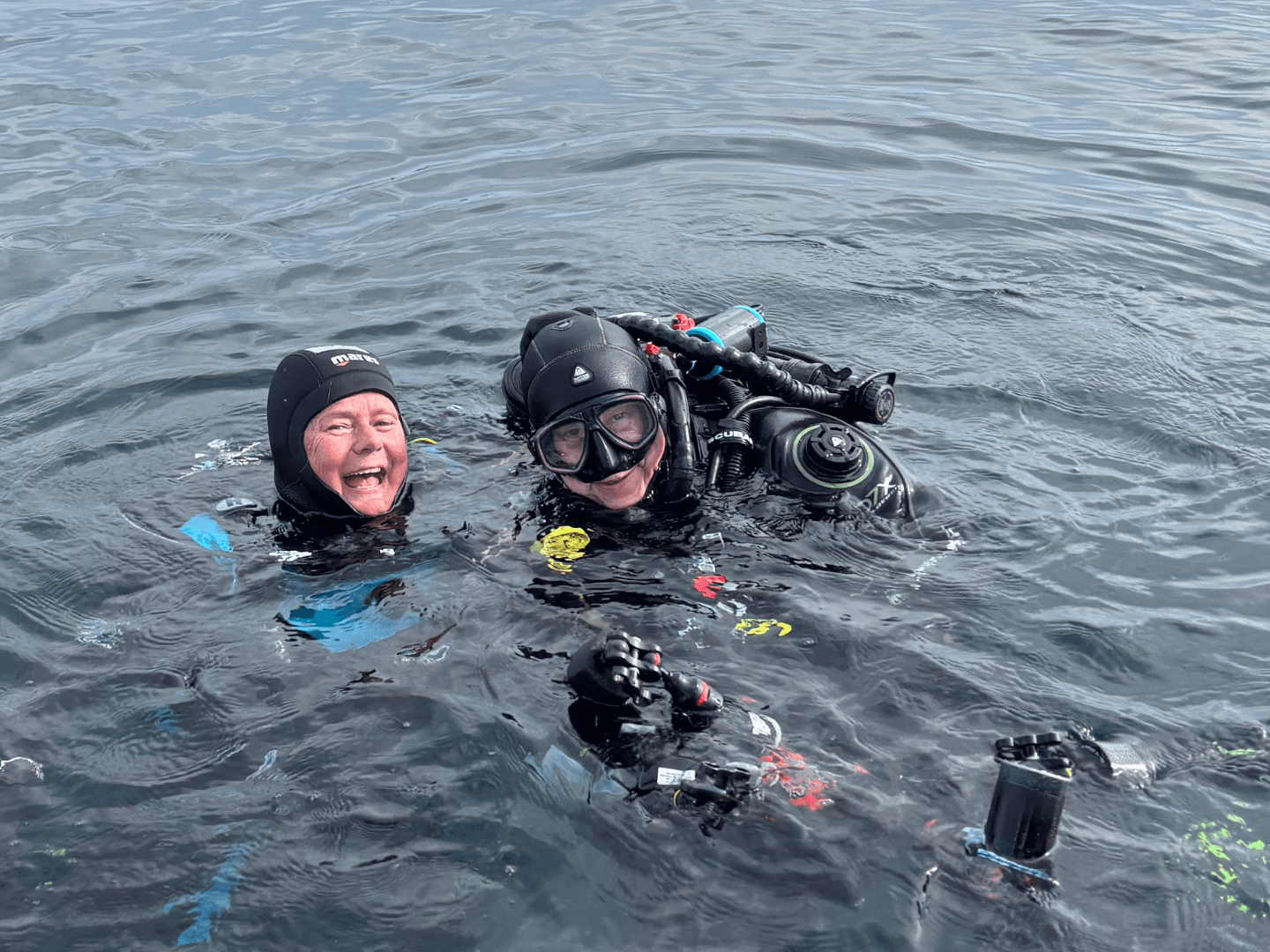
I spent years in the water next to cameramen with better equipment than mine, watching them miss shot after shot and then explain it away to directors who did not know better.
I would be right there with nothing in my hands, already knowing where the shot was and where it was about to be.
It was never about who had the better camera. It took me three careers to be able to say why.
Hello, I'm Tove.
I became a certified diver at sixteen. At seventeen I lost someone I loved, in an accident. I left home at eighteen, and everything since has followed from it.
What that year left me with was not a lesson about grief. It was a rule. I check in with myself. Am I happy with what I am doing right now. If the answer is yes, then fine, whatever it is. If the answer is no, I change it, and I do my best to change it soon, to simply not waste the time I am given.
People assume that took courage. It did not, or not the kind they mean. I simply had the fear pointed the other way round. Staying somewhere that was wrong frightened me far more than leaving did, and it still does.
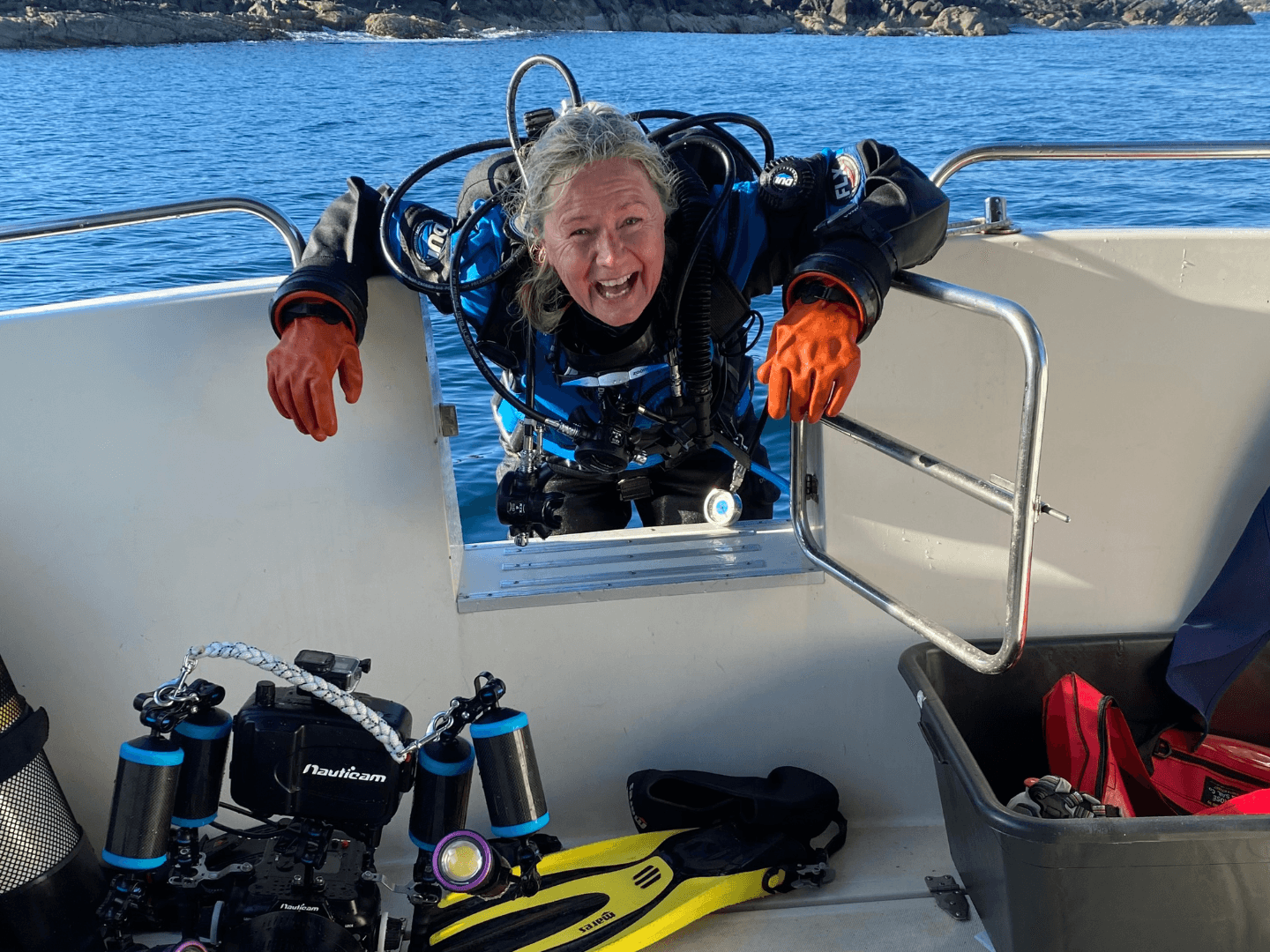
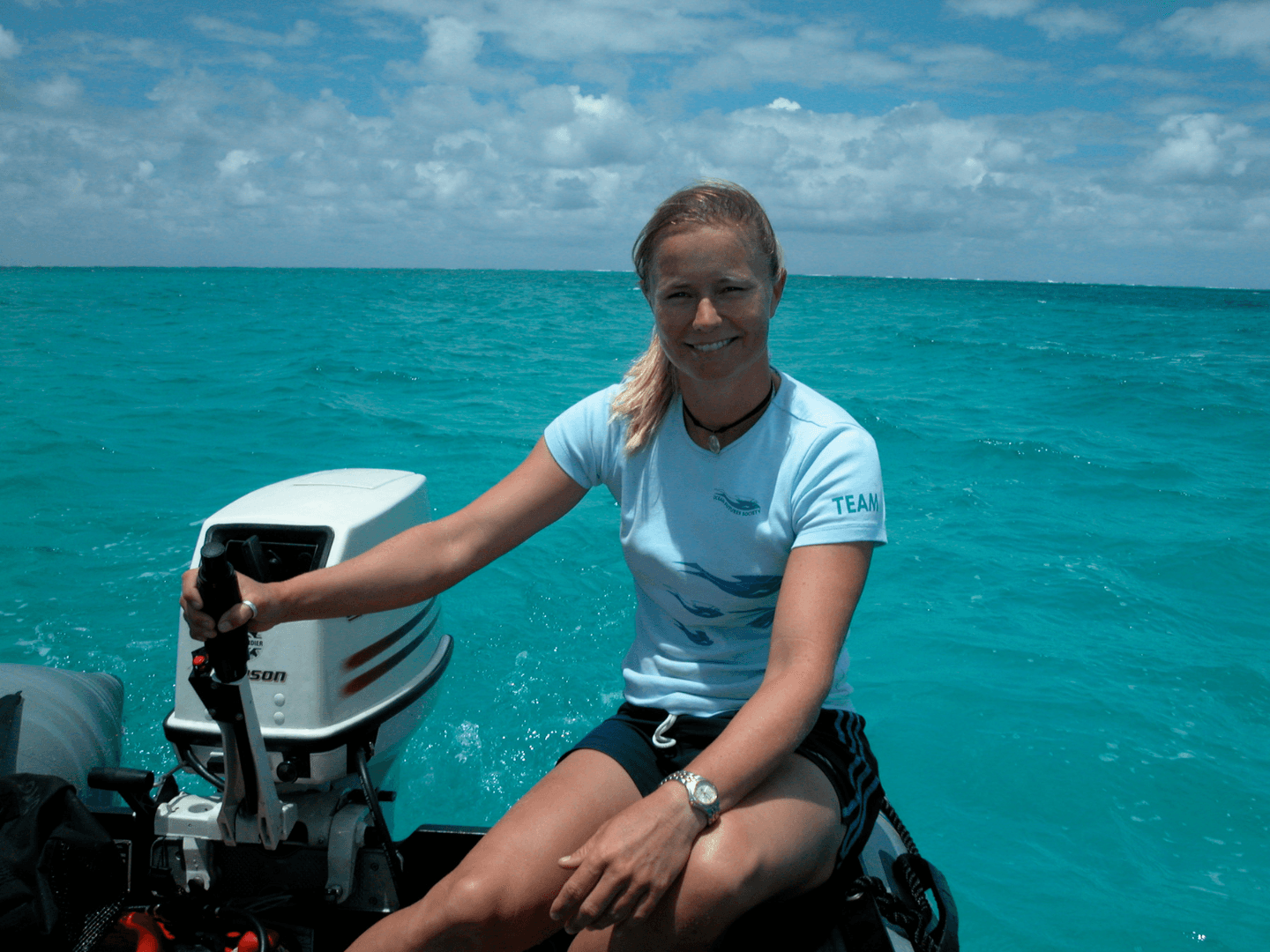
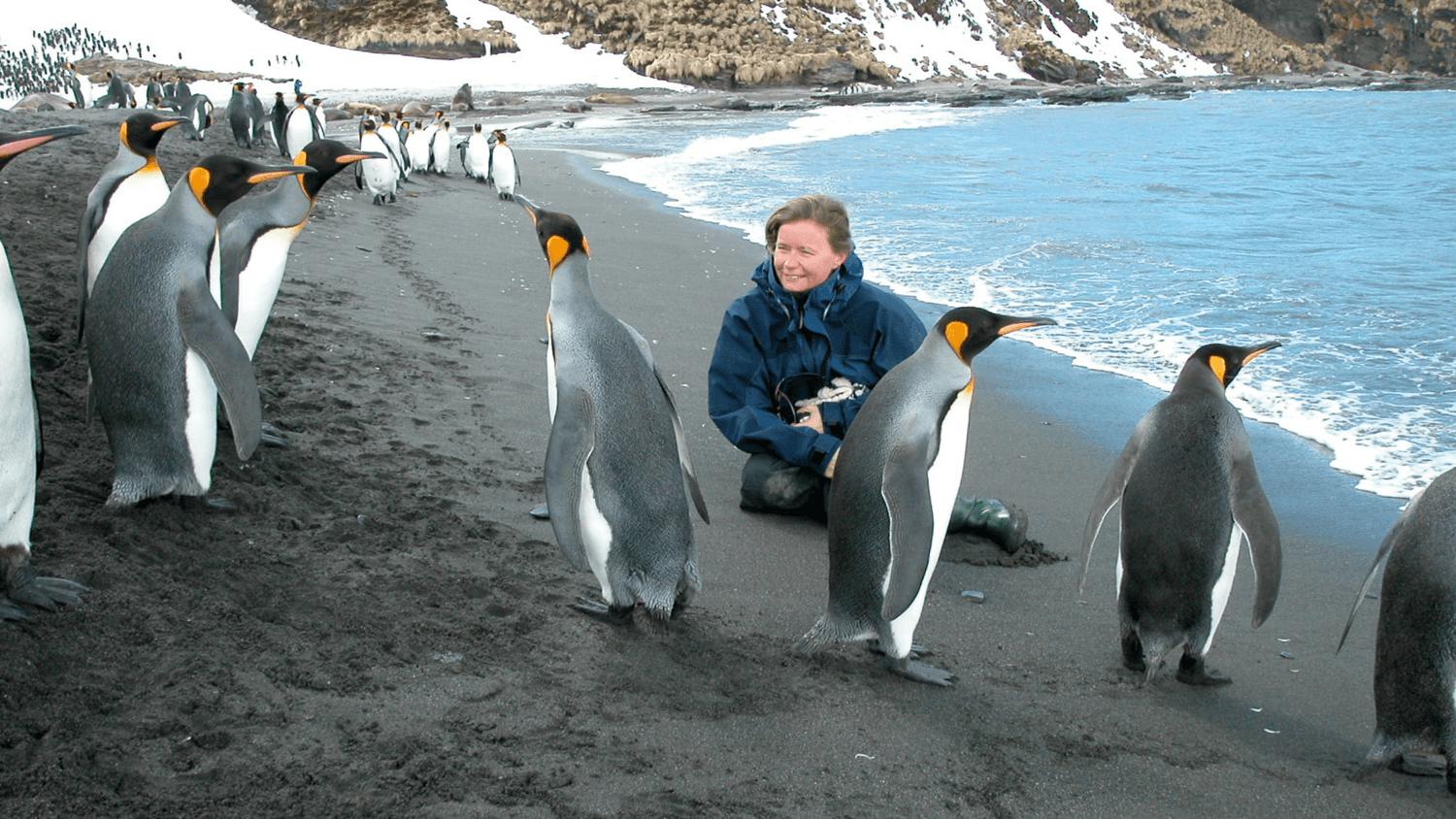
So I went and found doors. I left Norway and spent eighteen years in Australia and three decades working around the world. I built careers I did not know existed: expedition guide, underwater camera operator on natural history and adventure documentaries, accredited stunt performer.
The stunt work taught me the first of the three, and it is the one I never expected to end up teaching. I spent years in situations where panic would have been a real disaster, and I learned exactly how fine the line is, and how much of it is decided beforehand. If you have already asked yourself what if, the answer is sitting there when you need it. That is a split second, and it is the split second where your mind takes control instead of losing it.
The diving taught me the second. Years as a working Divemaster, responsible for other people in every condition I could find. You learn fast that a diver who is busy managing their gear, or managing themselves, stops seeing what is around them.
And the camera taught me the third. I learned the trade from Ron Taylor, who filmed the original Jaws and built my first housing. Ron and Valerie became close mentors, and what Ron taught me was not which button to press. He taught me to think in sequences and to shoot for an editor. I went on to shoot around thirty episodes for Animal Planet and Discovery, worked as Undersea Specialist and Video Chronicler for National Geographic Lindblad Expeditions across six continents, and spent a year on Jean-Michel Cousteau's team preparing for and shooting the Ocean Adventures series, Voyage to Kure.
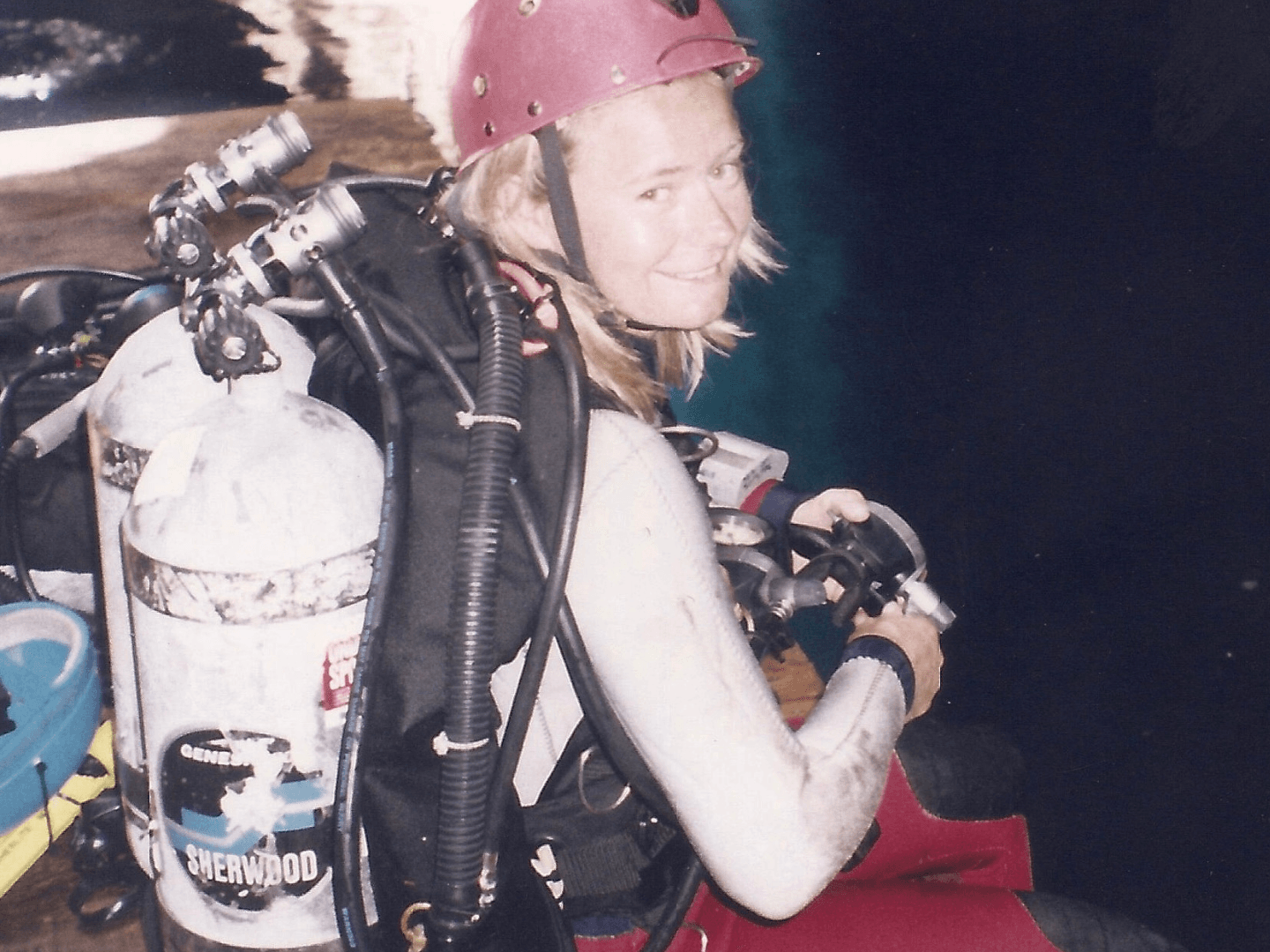
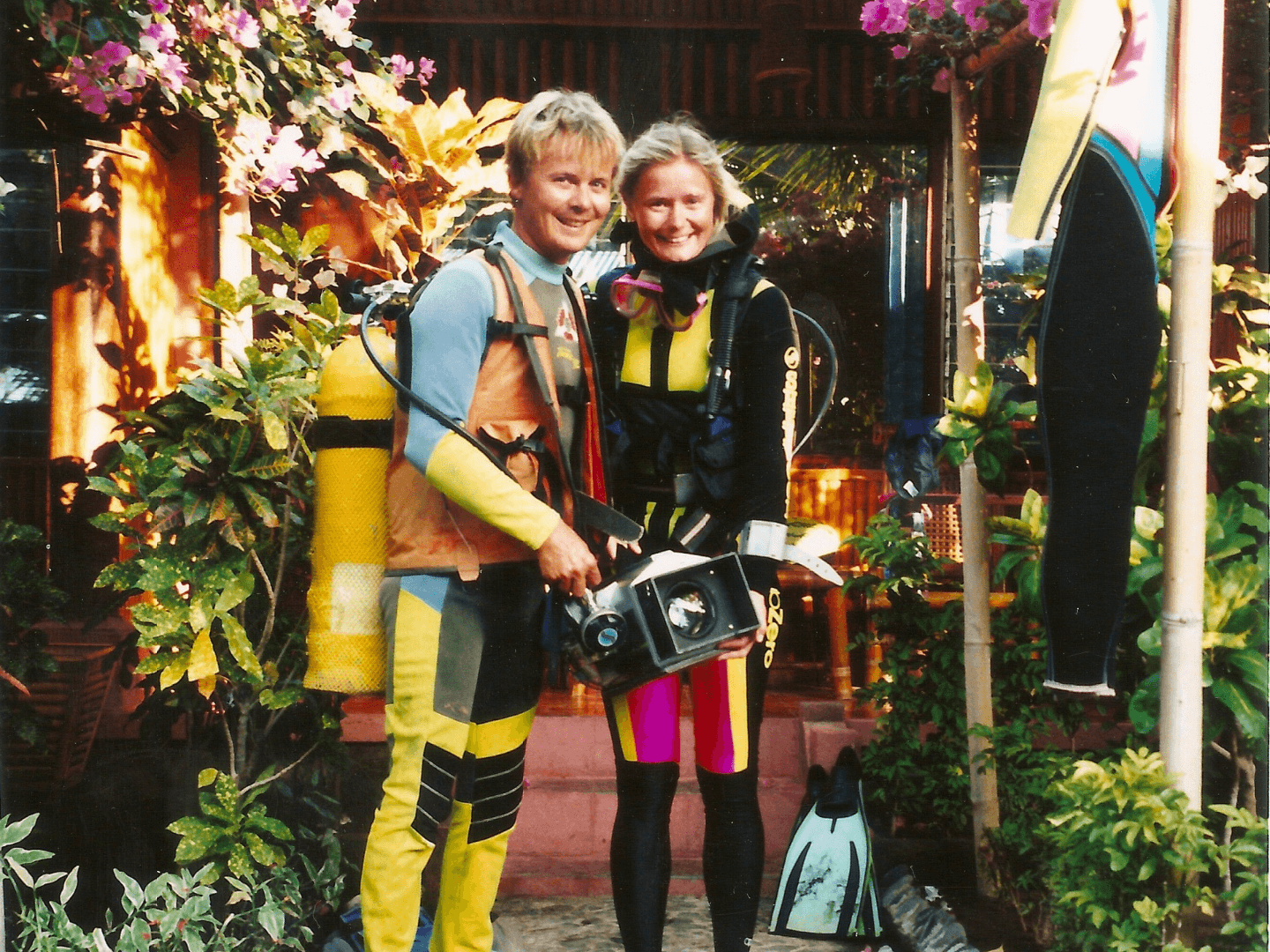
What those years really gave me was the company I kept. As a young divemaster my job was to look after scientists in the water, which mostly meant filling tanks and listening.
John McCosker from the California Academy of Sciences, working on flashlight fish in the Solomon Islands. Eugenie Clark in the Red Sea at Ras Muhammad, laying out a grid to count gobies, letting me help set it. I was not their colleague and I want to be clear about that.
I was a young diver in their company, being handed the ocean's problems and its wonders at the same time, and nobody has given me a better education since.
Ron and Valerie Taylor took me through Australia and the South Pacific, and they were conservationists long before that was something a film crew talked about.
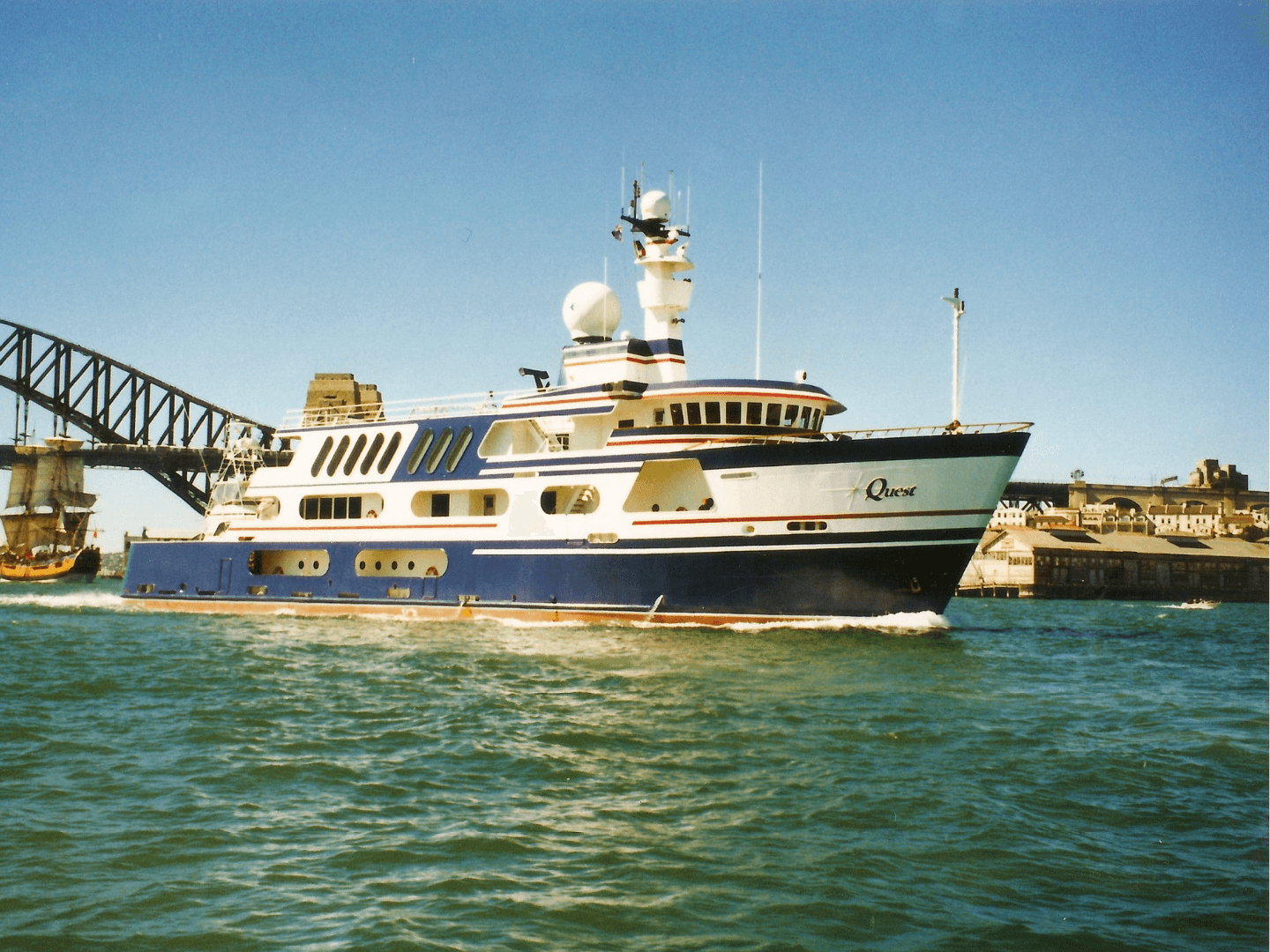
Then came the MV Quest, an ocean research and film vessel, and I was part of the crew, filming every episode of Adventures of the Quest for Animal Planet.
Marine iguanas in the Galapagos whose skeletons shrink when the food runs out. And Silver Banks in the Dominican Republic, around the year 2000, where you were allowed in the water with humpback whales.
A mother let us near her calf. Nina, our marine biologist, had studied these animals for years and had never been in the water with one. At dinner that evening most of the crew were in tears, grown people who film animals for a living.
Almost all of my ocean work has been documenting something somebody was worried about. That is the part that does not leave you.
It was never the camera, then or now. It was who had done the work beforehand, and who was calm enough to see what was happening. Nothing in a shop does either of those for you.
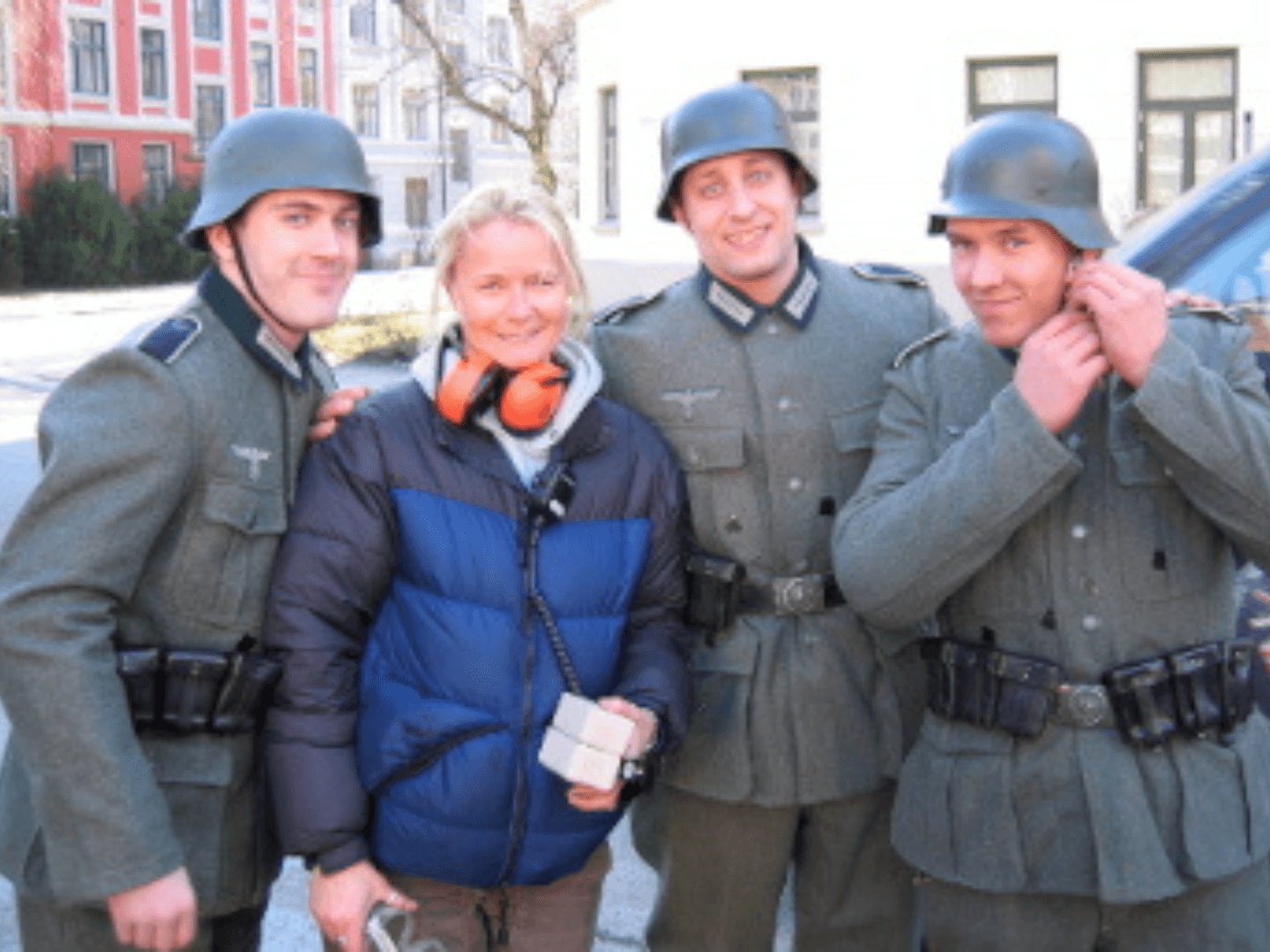
I came home to Norway in 2008 to work as stunt coordinator on the Norwegian feature film Max Manus, and I stayed to look after a family member who was ill. Another illness in the family kept me here longer than I had planned.
What pulled me back to myself a decade later was the water. I rented a cabin on the west coast, rolled back into the sea, and started again. Six dedicated dives just to get my trim right in a dry suit, after thirty years of doing this.
That is worth knowing if you are struggling with yours. The cameras had moved on without me too. Most of my career was shot on Betacam SP, and now a housing an ordinary diver can afford outperforms the kit I earned my living on, which means the camera stopped being the hard part for anybody.
Now I teach. Not because I ran out of other things to do. Nobody in my family had gone far in school, and what held me back was never ability, it was that nobody ever showed me the door was there.
I know exactly what it costs to be the person who cannot even name what they are missing, so I will not be the expert who makes anyone feel small. I have no gear to sell and no interest in impressing anyone.
What I have is three careers that turned out to be the three things a diver needs, and a method I can hand over.